Compare Local Contractors for Reliable Plumbing Line Repairs
Compare local contractors for plumbing line repair to define scope, verify experience, and set clear expectations for a successful project.
Plumbing line repair services typically cover a range of tasks aimed at fixing issues within a building’s water and waste lines. This can include locating and diagnosing leaks, replacing damaged or corroded pipes, and restoring proper flow within the plumbing system. Contractors may also handle pipe rerouting, addressing blockages, or repairing joints and fittings that have become compromised over time. Understanding the specific scope of work needed for a plumbing line repair helps property owners ensure the right solutions are implemented to restore functionality and prevent future problems.
Clearly defining the scope of a plumbing repair project is essential for setting realistic expectations and ensuring all parties are aligned. Property owners should work with service providers to specify the extent of the work, including which parts of the plumbing system are involved, the types of repairs required, and any necessary upgrades or modifications. Having these details in writing helps prevent misunderstandings and provides a clear record of what the project entails. It also facilitates better communication between property owners and contractors, making it easier to compare proposals and verify that all necessary tasks are included.
When evaluating local contractors for plumbing line repair, property owners should consider several practical factors. It’s useful to review each service provider’s experience with similar projects and ask about their familiarity with the type of plumbing systems in the property. Comparing the scope of services offered, the methods used, and the level of detail in written proposals can help identify the most suitable contractor. Additionally, verifying references or seeking recommendations from other property owners can provide insights into the reliability and quality of the work. Taking the time to compare these aspects ensures that property owners can connect with service providers who meet their specific needs for plumbing line repair.
Compare local contractors by outlining your project priorities, verifying experience, and clearly defining scope and expectations in writing.
- Compare Contractors - Review multiple local service providers to identify those with relevant experience in plumbing line repair.
- Define Scope Clearly - Establish detailed project requirements to ensure all parties understand the work involved.
- Verify Experience - Check credentials and past work to confirm contractors have the necessary expertise.
- Document Expectations - Put all project details and agreements in writing to promote transparency and accountability.
Clearly describe your plumbing repair project and compare local contractors based on experience, scope, and written expectations.
- Assess the contractor’s experience with plumbing line repairs to ensure familiarity with similar projects. - Verify that the scope of work is clearly defined and documented in writing before work begins.
- Compare multiple service providers to evaluate their expertise, reputation, and customer feedback. - Ensure that all project details, including materials and methods, are outlined in a written agreement.
- Check that the contractor provides a detailed description of the repair process and potential outcomes. - Confirm that the scope of work aligns with specific plumbing issues and needs.
- Review the contractor’s references or past work to gauge their ability to complete repairs effectively. - Make sure expectations, responsibilities, and project limits are clearly outlined in the contract.
- Ensure the contractor identifies the exact location of the repair and explains the approach to minimize disruptions. - Clarify any warranties or guarantees related to the repair work in writing.
Compare local contractors, clarify project scope, verify experience, and document expectations for effective plumbing repairs.
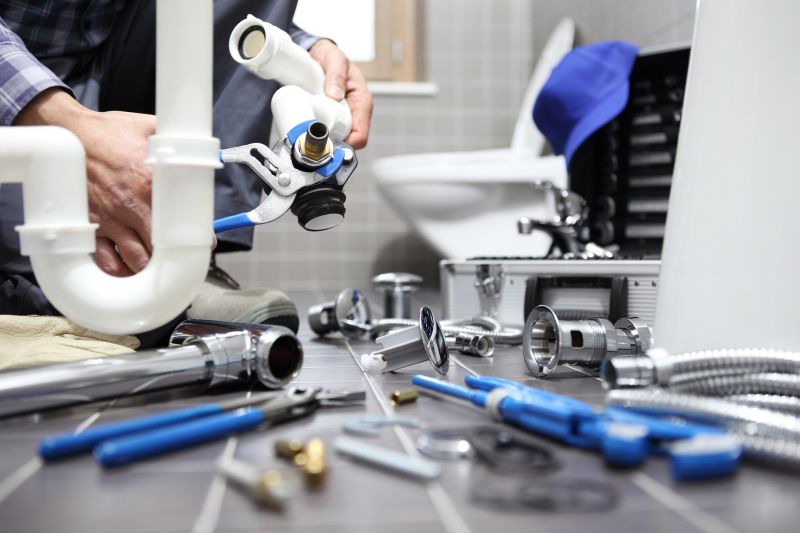
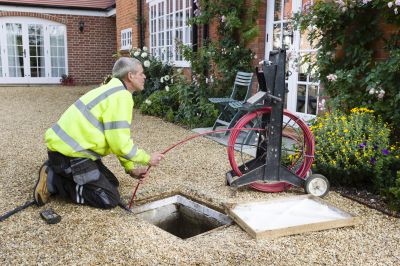
Use clear, consistent comparison criteria to evaluate local contractors' scope, experience, and written expectations for plumbing line repair.
- Scope Definition - Clearly outline the specific plumbing line repair tasks required, including pipe replacement, leak repair, or line rerouting.
- Material Specifications - Identify the types of materials to be used for the repair, such as pipe type and fittings, to ensure compatibility and durability.
- Work Area Description - Describe the location and extent of the plumbing system involved to help local contractors assess the scope.
- Experience and Expertise - Verify that service providers have relevant experience handling plumbing line repairs similar to the project scope.
- Written Agreement - Ensure all details, including scope, materials, and expectations, are documented in a written scope of work before work begins.
When evaluating contractors for plumbing line repair, it’s important to consider their experience with similar projects. Homeowners should inquire about the types of repairs they have completed in the past and whether they have encountered situations comparable to the current needs. Contractors with a proven track record handling comparable issues are more likely to understand the complexities involved and deliver a reliable solution. Asking for examples of past work or references related to similar repairs can provide insight into their familiarity with the specific challenges of plumbing line issues.
A clear, written scope of work is essential for effective communication and setting expectations. Homeowners should seek detailed descriptions of what the repair will entail, including the specific tasks the contractor plans to perform and any materials that will be used. This documentation helps ensure that both parties have a shared understanding of the project’s extent and reduces the risk of misunderstandings or scope creep. A well-defined scope also provides a basis for evaluating whether the proposed approach aligns with the homeowner’s needs and expectations.
Verification basics involve confirming that contractors have the appropriate experience and qualifications for plumbing line repair. Homeowners should verify that service providers have a history of successfully completing similar projects and understand the local building codes and standards relevant to plumbing repairs. While licensing and certification are not the focus here, asking for references or reviews can help assess a contractor’s reputation and reliability. Confirming these basics can help ensure that the selected service provider is capable of handling the job competently and responsibly.
When comparing options, it’s helpful to focus on the clarity of communication, scope of work, and demonstrated experience. Homeowners should review written proposals or descriptions from each contractor, paying attention to the level of detail provided. Asking questions about their approach, experience with specific issues, and how they plan to address potential complications can lead to a better understanding of their expertise. By evaluating these factors, homeowners can make informed decisions based on the contractor’s professionalism and suitability for the project, without relying on pricing or timelines.
Ask contractors to provide written scope details to ensure clear expectations and consistent project understanding.
- Experience and Qualifications - What experience do local contractors have with plumbing line repairs similar to the scope of the project?
- Scope of Work - How do local service providers define and document the specific work included in the repair?
- Materials and Methods - What materials and repair techniques do local contractors typically use for plumbing line repairs?
- Warranty and Guarantees - Do local contractors offer any written warranties or guarantees for their plumbing repair work?
- Comparison and Selection - How do local service providers differentiate their services to help compare options effectively?
How can I compare different contractors for plumbing line repair? To compare contractors, review their experience, verify their reputation through reviews or references, and evaluate their scope of work to ensure it aligns with your project needs.
What should I consider when defining the scope of a plumbing line repair? Clearly outline the specific issues, the areas involved, and any desired outcomes, and communicate these details in writing to help contractors understand your expectations.
How can I verify a contractor’s experience with plumbing line repairs? Ask contractors about their previous projects, request references, and check if they have handled similar repairs to ensure they have relevant expertise.
Why is it important to get the scope of work in writing? Having the scope documented helps prevent misunderstandings, sets clear expectations, and provides a record of what was agreed upon before work begins.
What questions should I ask a contractor before hiring for plumbing line repair? Inquire about their experience, methods used, materials, and how they handle unexpected issues to ensure they are well-qualified for the job.
How can I ensure that a contractor is a reliable choice for plumbing line repair? Check their reputation, request detailed written proposals, and verify that they clearly define the scope and expectations before proceeding.
This page has provided an overview of how to find qualified contractors for plumbing line repair, emphasizing the importance of clearly defining the scope of work, verifying experience, and putting expectations in writing. Understanding these key points can help in making informed decisions when comparing service providers and ensuring the project aligns with specific needs. Utilizing the quote form allows for easy comparison of local contractors, helping to identify options that match the requirements for the repair job.
By using the quote form, visitors can connect with local contractors capable of handling plumbing line repairs and gather information to evaluate their offerings. Taking the time to compare multiple service providers can support a more informed selection process. This approach helps ensure that the chosen contractor understands the scope of work and maintains clear communication throughout the project.